

Engaging with Workers
Engaging workers is not just good practice, it is a legal requirement under HSWA 2015. Here is how the Act frames worker engagement and participation.
A practical guide to understanding your obligations under HSWA 2015 and taking proactive steps to protect the health, safety and welfare of workers and others.
Did you know?
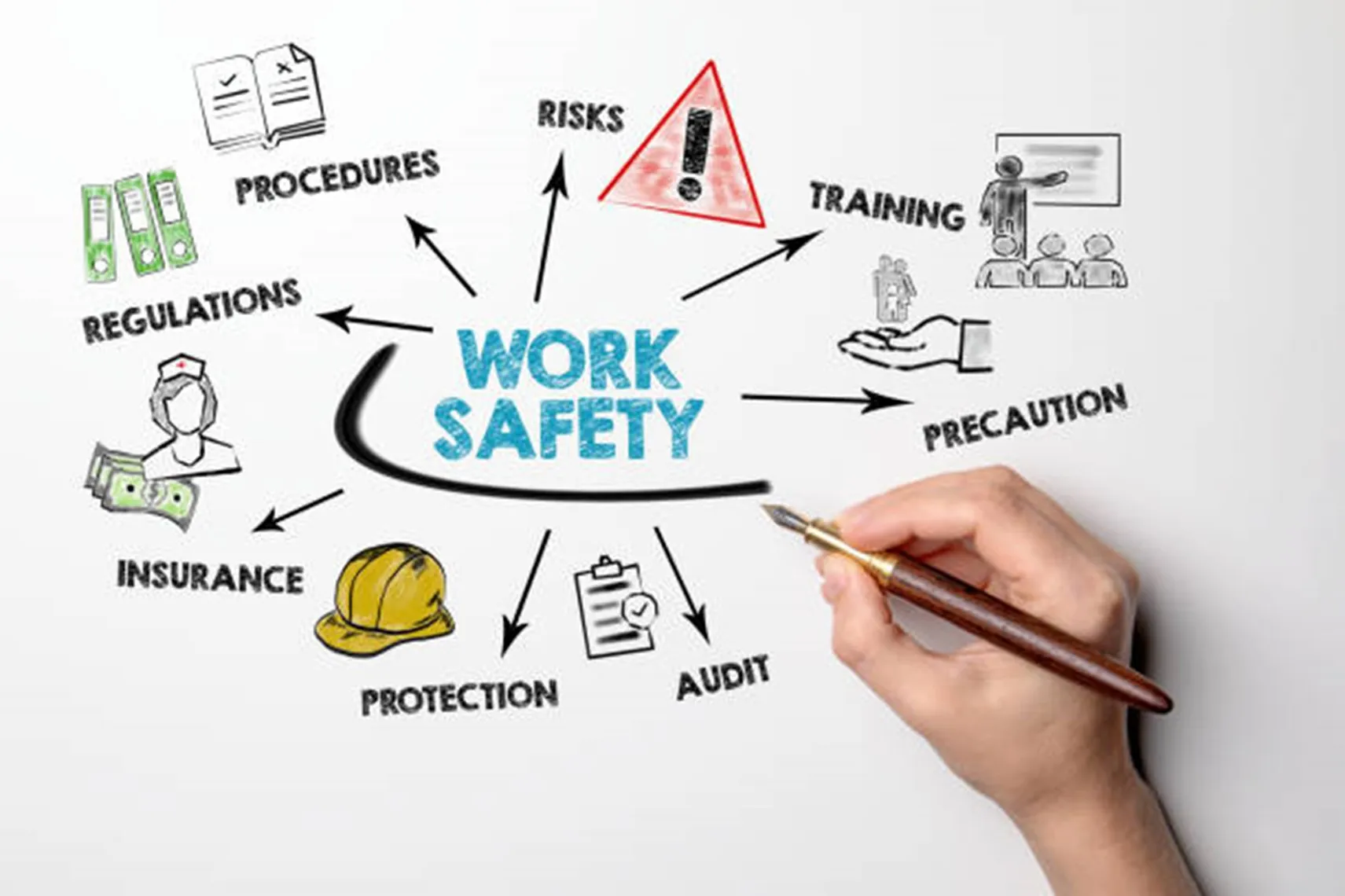
Complying with the Health and Safety at Work Act 2015 (HSWA) in New Zealand means understanding your obligations and taking proactive steps to protect the health, safety, and welfare of workers and others impacted by your work activities. HSWA applies to a range of duty holders including PCBUs (Persons Conducting a Business or Undertaking), officers, workers, and others in the workplace. Here’s a practical guide to help your organisation comply with HSWA 2015:
Understand Your Duties
Familiarise yourself with the specific duties and expectations relevant to your role under HSWA 2015. This includes providing a safe work environment, involving workers in decision-making, managing risks effectively, supplying appropriate training and information, and cooperating with other duty holders where duties overlap.
Risk Management
Adopt a clear and structured approach to risk management. This involves identifying potential hazards, assessing the likelihood and consequence of harm, putting controls in place to eliminate or minimise risk, and regularly reviewing those controls to make sure they are working as intended.
Safety Leadership
Lead from the front. Show visible commitment to health and safety by modelling the behaviours you expect from others, setting clear expectations, empowering your teams, and ensuring sufficient resources are allocated to safety initiatives and improvements.
Worker Engagement
Involve your workers in all matters related to health and safety. Create open lines of communication, consult on proposed changes, encourage reporting of concerns and near misses, and make sure worker feedback is heard, valued, and acted on.
Training and Education
Provide targeted training and supervision to ensure workers understand how to do their work safely. Cover key areas such as identifying hazards, assessing risks, following safe work practices, knowing emergency procedures, and using personal protective equipment correctly.
Compliance with Regulations
Make sure you understand and comply with relevant regulations, approved codes of practice, and any industry-specific legal duties. This includes rules around hazardous substances, machinery safety, plant and equipment, confined spaces, and other higher-risk operations.
Incident Reporting and Investigation
Put clear systems in place for reporting and investigating incidents. All injuries, near misses, and notifiable events should be recorded, investigated properly, and used as learning opportunities. Implement corrective actions and share lessons with your teams.
Continuous Improvement
Keep health and safety systems and practices under regular review. Update your policies and procedures to reflect new risks, legal changes, lessons from incidents, or feedback from your workers. A cycle of ongoing improvement supports resilience and maturity.
Consultation with Experts
Bring in external expertise where needed. Health and safety consultants, occupational hygienists, industry bodies, and regulators can all provide valuable advice to help ensure your systems are not only legally compliant but also aligned with recognised good practice.
Documentation and Record Keeping
Maintain accurate and accessible records covering risk assessments, training, incident investigations, inspections, and safety-related decisions. Well-kept documentation supports transparency, provides evidence of compliance, and can serve as a benchmark for future improvements.
By following these steps and integrating health and safety into everyday decision-making, organisations can meet their HSWA 2015 duties while building a culture where safety is seen as a shared responsibility. Not only does this help you meet your legal obligations, but it also enhances productivity, trust, and reputation in the long run.
Engaging workers is not just good practice, it is a legal requirement under HSWA 2015. Here is how the Act frames worker engagement and participation.

Under HSWA 2015, everyone involved in work has a part to play in protecting health and safety. A plain-language rundown of the key duties set out in the Act.

Workers play a vital role in keeping workplaces safe and healthy. A practical overview of your responsibilities as a worker under HSWA 2015.
Talk to us about training or consultancy tailored to your workplace.