
New Act 2027
What the Health and Safety at Work Amendment Act 2026 means for businesses, owners and duty holders: what is changing, what you will have to do, and who is impacted.
Tools, insights & resources
Practical resources for Kiwi workplaces with no strings attached. Read our practical guides, complete our free eLearning modules and use our tools. All free, all yours.
What the Health and Safety at Work Amendment Act 2026 means for businesses, owners and duty holders: what is changing, what you will have to do, and who is impacted.
Navigating New Zealand’s Health & Safety Reforms 2026: a free eLearning module for business owners and directors on the Amendment Act and its impact.
A free health and safety audit tool. Rate each criterion from 0 to 3 across core sections aligned to HSWA 2015 due diligence obligations, then generate a report.

A free eLearning module to help business leaders understand the Health and Safety at Work Amendment Act 2026 and plan the changes it brings.

Unlock the true cost of ‘She’ll Be Right’. A free eLearning module challenging New Zealand business leaders to build a culture of care, not just compliance.
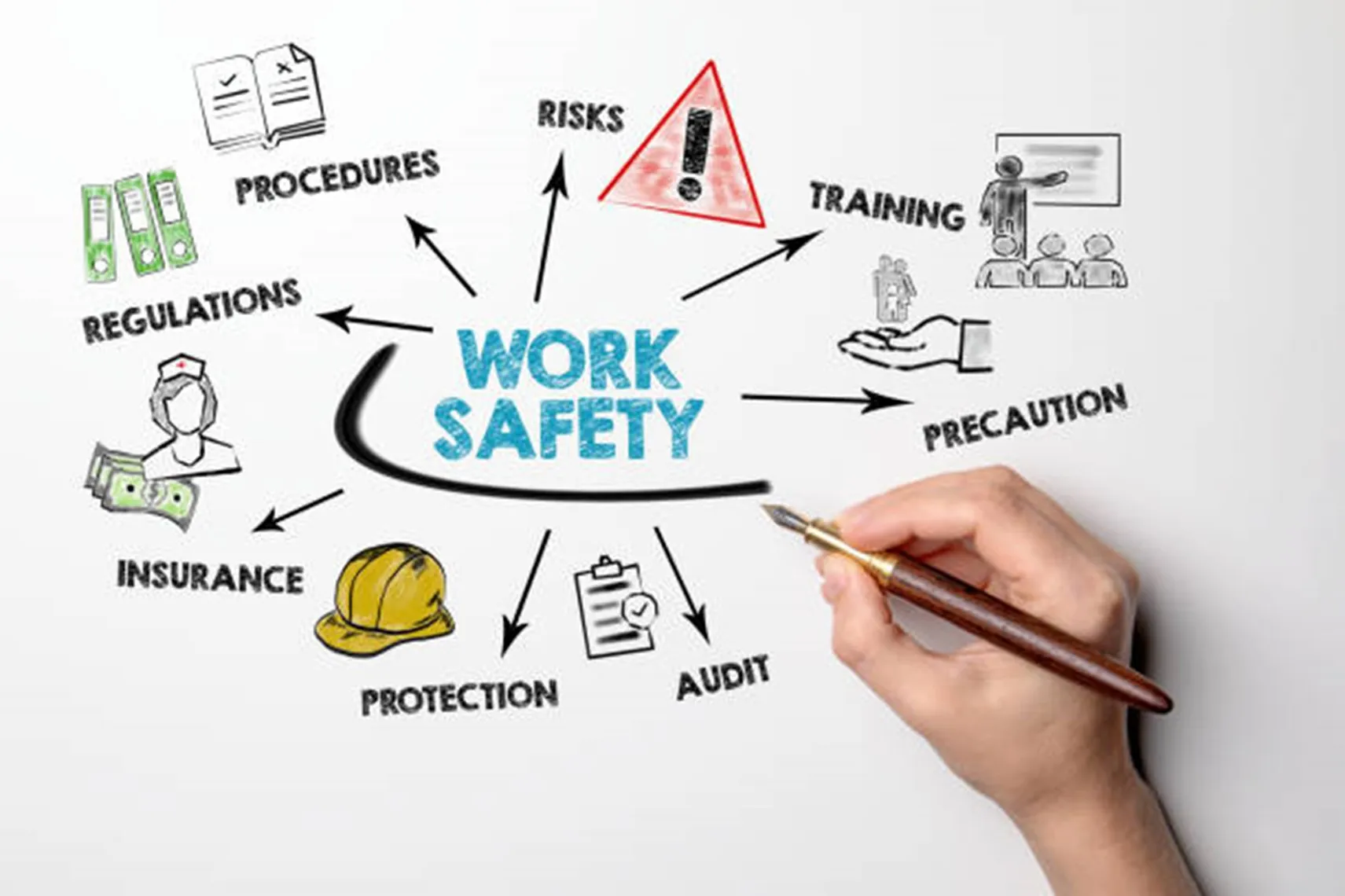
A practical guide to understanding your obligations under HSWA 2015 and taking proactive steps to protect the health, safety and welfare of workers and others.

Engaging workers is not just good practice, it is a legal requirement under HSWA 2015. Here is how the Act frames worker engagement and participation.

Under HSWA 2015, everyone involved in work has a part to play in protecting health and safety. A plain-language rundown of the key duties set out in the Act.
Workers play a vital role in keeping workplaces safe and healthy. A practical overview of your responsibilities as a worker under HSWA 2015.
What the Gibson v Ports of Auckland conviction means for officer liability in New Zealand, with comparisons from recent Australian cases.
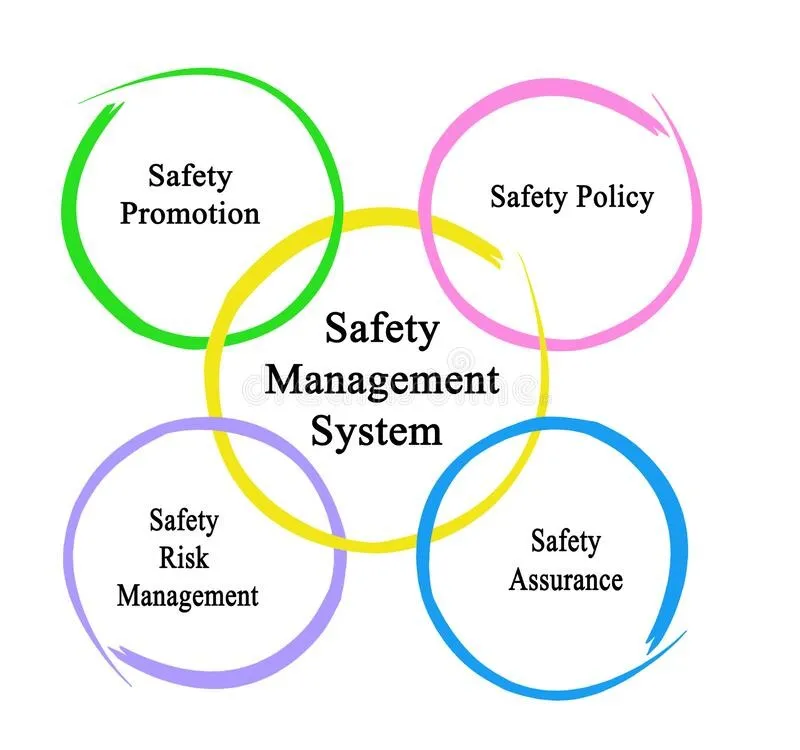
A Safety Management System is not a compliance tick-box. This short guide sets out what an effective SMS actually looks like in practice.

How the HSNO Act 1996 and the Hazardous Substances Regulations 2017 work together to keep people and the environment safe in New Zealand workplaces.

Volunteer or volunteer worker? How HSWA 2015 treats each, what counts as a volunteer organisation, and the duties volunteers and volunteer workers have.

Engaging workers is not just good practice, it is a legal requirement under HSWA 2015. Here is how the Act frames worker engagement and participation.
PCBUs are expected to take a proactive, systematic approach to risk. We walk through the key steps, from identifying hazards to monitoring and reviewing controls.
“Reasonably practicable” can sound legalistic, but it is a common-sense idea. We break down what it means for duty holders in practice.

Officers play a vital role in making sure their organisation manages health and safety risks. An overview of your responsibilities as an Officer under HSWA 2015.

When several businesses share a worksite or activity, their duties overlap. How PCBUs share and manage those duties so no gaps arise under HSWA 2015.
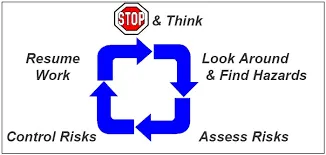
A structured pre-task safety assessment for any business or sector: identify hazards, document controls, record PPE and generate a formal sign-off.
Talk to us about training or consultancy tailored to your workplace.