
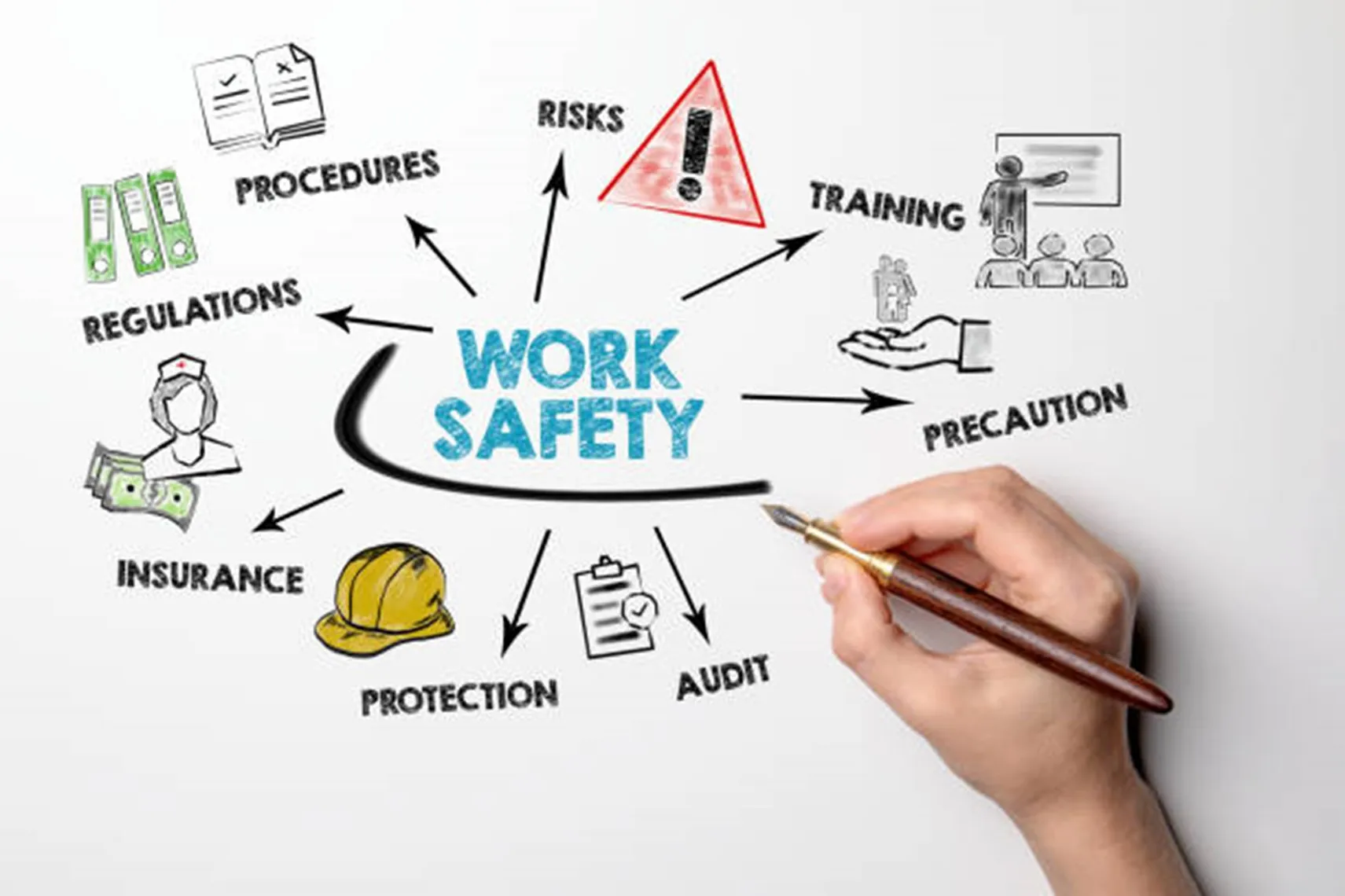
Complying with HSWA 2015
A practical guide to understanding your obligations under HSWA 2015 and taking proactive steps to protect the health, safety and welfare of workers and others.
Engaging workers is not just good practice, it is a legal requirement under HSWA 2015. Here is how the Act frames worker engagement and participation.

Did you know?
Engaging workers is not just good practice, it is a legal requirement under HSWA 2015. When workers are involved in identifying risks and shaping safety solutions, the result is a safer, more responsive workplace where risks are managed more effectively and people feel respected and heard.
Here is how HSWA 2015 frames worker engagement and participation:
Consultation
PCBUs must consult with workers who are, or are likely to be, directly affected by a health and safety matter. This includes talking with them about proposed changes, seeking their views before decisions are made, and genuinely considering their feedback on policies, procedures, and controls.
Participation
You must give workers real opportunities to be involved in health and safety decisions. That includes involving them in risk assessments, incident reviews, development of safe work procedures, and problem-solving discussions around control measures. Their input is a key part of building practical, effective solutions.
Representation
Workers have the right to elect health and safety representatives or form health and safety committees. These roles are supported by law and help ensure worker voices are represented. Representatives can raise concerns, take part in inspections, and must be consulted on changes that could affect health and safety in the workplace.
Information Sharing
You are required to make sure workers receive relevant and timely information about hazards, risks, and controls. This includes information about changes to processes, emergency procedures, and anything else that could affect their health or safety at work. Information should be clear, accessible, and easy to act on.
Training and Education
Workers must be trained to do their jobs safely. This includes induction training, refresher sessions, task-specific training, and education around the correct use of personal protective equipment. It is not a one-off exercise, but an ongoing process to ensure skills and awareness remain up to date.
Feedback and Communication
A positive safety culture relies on two-way communication. Encourage workers to report hazards, incidents, and near misses, and make sure they know how to raise concerns without fear of blame or reprisal. When workers speak up, listen, respond, and show that their input makes a difference.
By actively engaging with workers in these ways, businesses can strengthen their approach to health and safety, improve performance, and build trust. In the end, it is about working together to protect what matters most — the health, safety, and wellbeing of everyone involved in the work.
A practical guide to understanding your obligations under HSWA 2015 and taking proactive steps to protect the health, safety and welfare of workers and others.

Under HSWA 2015, everyone involved in work has a part to play in protecting health and safety. A plain-language rundown of the key duties set out in the Act.
Workers play a vital role in keeping workplaces safe and healthy. A practical overview of your responsibilities as a worker under HSWA 2015.
Talk to us about training or consultancy tailored to your workplace.