
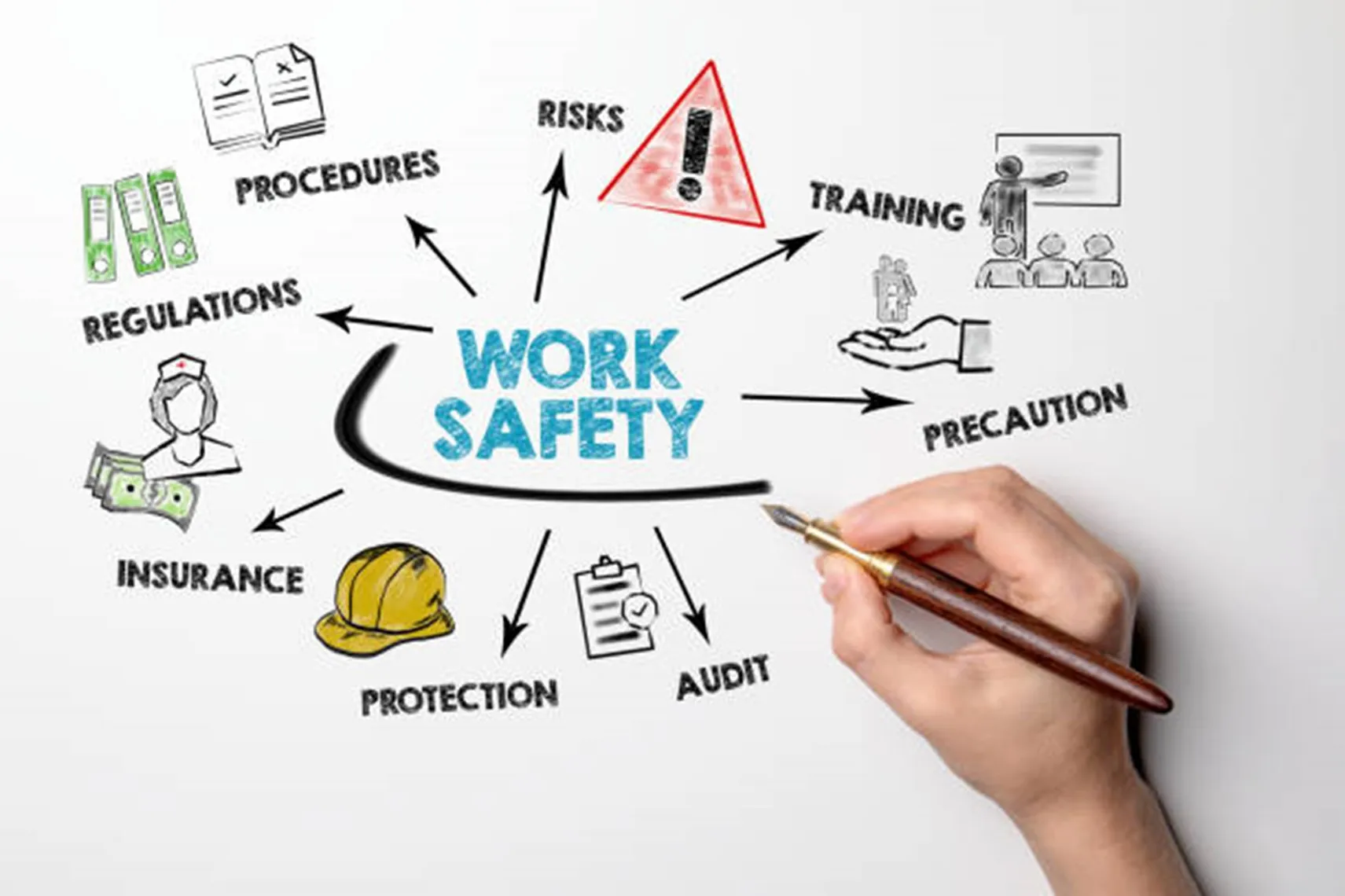
Complying with HSWA 2015
A practical guide to understanding your obligations under HSWA 2015 and taking proactive steps to protect the health, safety and welfare of workers and others.
Under HSWA 2015, everyone involved in work has a part to play in protecting health and safety. A plain-language rundown of the key duties set out in the Act.

Did you know?
Under HSWA 2015, everyone involved in work activities has a part to play in protecting health and safety. Whether you are a business owner, senior executive, worker, designer, manufacturer, importer, or supplier, your legal responsibilities are designed to prevent harm and support a safe, well-managed work environment.
Here are the key duties set out in the Act:
Primary Duty of Care
PCBUs must ensure, so far as is reasonably practicable, the health and safety of workers and other people who may be affected by the work. This includes providing safe systems of work, adequate facilities, and a work environment that is free from unacceptable risks.
Worker Participation and Engagement
You must engage with workers and give them meaningful opportunities to be involved in health and safety matters. This means supporting participation through consultation, keeping workers informed, and ensuring they can contribute to decisions that affect their health and safety.
Take Reasonably Practicable Steps
Every duty holder must consider what is reasonably able to be done to ensure health and safety. This includes weighing up the likelihood and potential consequences of harm, what is known about the risk, and the available ways to eliminate or minimise it.
Identify and Manage Risks
Risks need to be actively identified, assessed, and controlled. This involves conducting regular risk assessments, putting in place suitable control measures, and reviewing those measures to make sure they remain effective as circumstances change.
Consult, Cooperate and Coordinate with Others
Where more than one duty holder is involved in the same work activity, there is a legal requirement to work together. This ensures that responsibilities are not duplicated or overlooked and that everyone is aligned in their approach to risk management.
Provide Information, Training, and Instruction
Workers must be given the knowledge and skills they need to work safely. This includes training on the risks associated with their tasks, safe work procedures, how to report hazards, and what to do in an emergency.
Notify and Report Incidents
PCBUs are legally required to notify WorkSafe New Zealand of certain serious incidents, injuries, or illnesses. Records must be kept, and the organisation must fully cooperate with any resulting investigations.
These duties are not just legal requirements, they are the foundation of a positive safety culture. When everyone understands and acts on their responsibilities, the risk of harm reduces, and the workplace becomes safer, more resilient, and more productive.
A practical guide to understanding your obligations under HSWA 2015 and taking proactive steps to protect the health, safety and welfare of workers and others.

Engaging workers is not just good practice, it is a legal requirement under HSWA 2015. Here is how the Act frames worker engagement and participation.
Workers play a vital role in keeping workplaces safe and healthy. A practical overview of your responsibilities as a worker under HSWA 2015.
Talk to us about training or consultancy tailored to your workplace.