
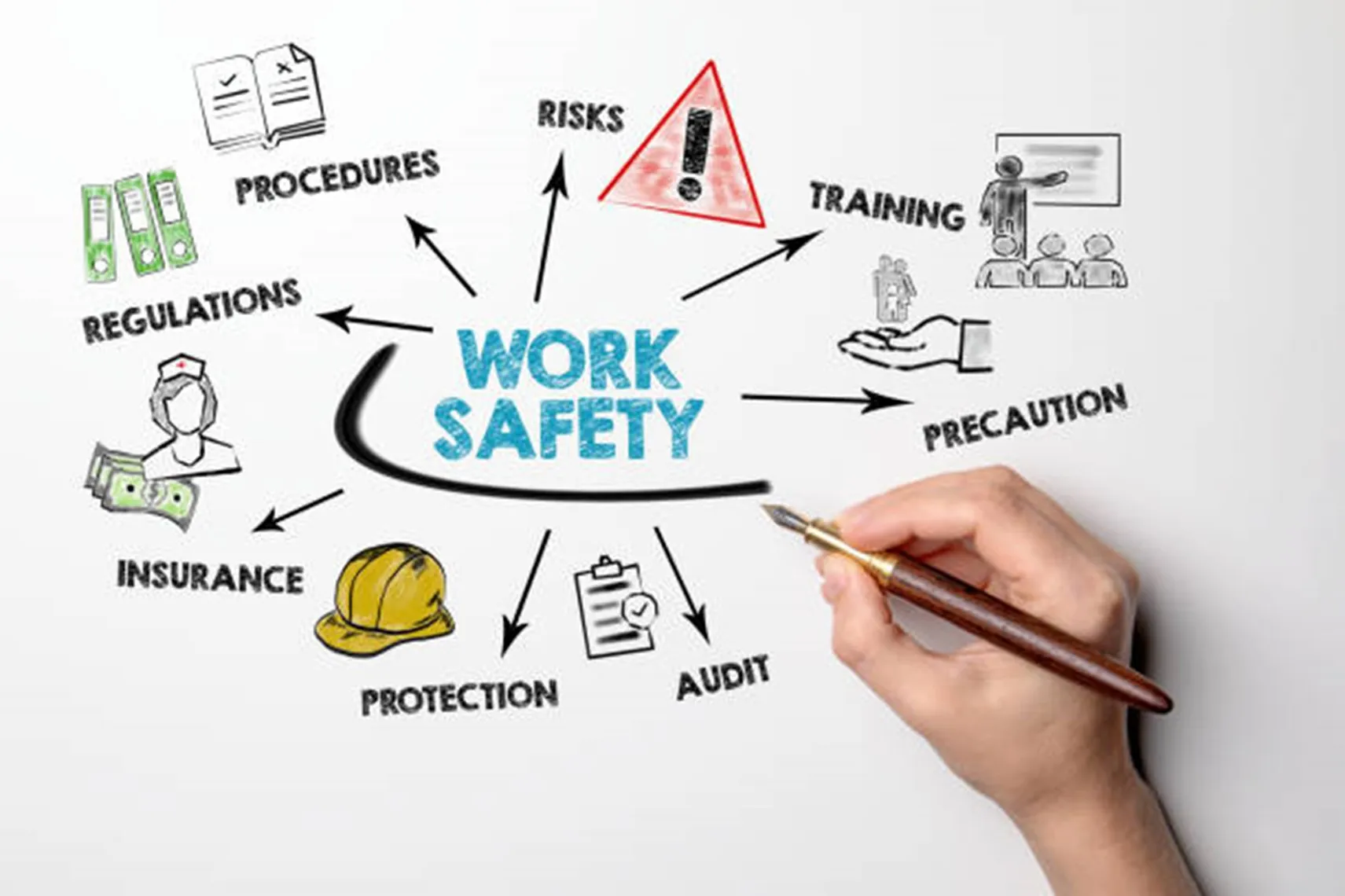
Complying with HSWA 2015
A practical guide to understanding your obligations under HSWA 2015 and taking proactive steps to protect the health, safety and welfare of workers and others.
Volunteer or volunteer worker? How HSWA 2015 treats each, what counts as a volunteer organisation, and the duties volunteers and volunteer workers have.

Did you know?
Understanding the Health and Safety at Work Act 2015 (HSWA)
Volunteer
A volunteer is a person who is acting on a voluntary basis, whether or not they receive out-of-pocket expenses. This can include anyone who helps out, from a casual one-off contributor to someone who works regularly for your organisation.
Volunteer worker
A volunteer worker is a person who works with your knowledge and consent, on an ongoing or regular basis, and whose work is an integral part of your business or undertaking. For example, someone who staffs a community centre two days a week or a trained volunteer providing aged care services as core to your charity’s work.
Why the distinction matters
Volunteer workers are treated as workers under HSWA. Casual or one-off volunteers are treated as ‘other persons’ at the workplace. This affects the duties your organisation owes them and the duties they owe in return.
Scenarios
| Volunteer | Volunteer Worker |
|---|---|
| Someone who helps out at a community garden one Saturday morning | A person trained as a volunteer visitor who comes to an aged care home every Tuesday and Thursday to spend time with residents as core to the home’s service |
| A person who helps set up chairs and tables at a local sports club’s annual fundraiser | A person who staffs a community centre information desk three evenings a week, answering enquiries and managing bookings as core to the centre’s operations |
What is a volunteer organisation
A volunteer organisation is a group of volunteers working together for community purposes (such as art, culture, science, religion, education, sport or recreation) where none of the volunteers employs any person to carry out work for the organisation. These organisations are not covered by HSWA because they are not PCBUs (persons conducting a business or undertaking).
What is not a volunteer organisation
Any organisation that employs even one person is not a volunteer organisation under HSWA. This means:
Scenarios
| Volunteer Organisation (No HSWA duties) | Not a Volunteer Organisation (Has HSWA duties) |
|---|---|
| A local historical society run by volunteers with no paid staff. All committee members are volunteers. | A community group maintaining a local reserve with entirely volunteer members, but that employs one part-time grounds maintenance coordinator |
| A sports club where all officers are volunteers, the team is made up of volunteers, and there is no paid administration or support | A registered charity providing aged care services with a mix of paid staff and volunteer workers |
Volunteers (who are not volunteer workers) are treated as ‘other persons’ at the workplace. They must:
Scenarios
What volunteers should do:
What volunteers should not do:
Volunteer workers are treated as workers under HSWA. They must:
Scenarios
What volunteer workers should do:
What volunteer workers should not do:
A practical guide to understanding your obligations under HSWA 2015 and taking proactive steps to protect the health, safety and welfare of workers and others.

Engaging workers is not just good practice, it is a legal requirement under HSWA 2015. Here is how the Act frames worker engagement and participation.

Under HSWA 2015, everyone involved in work has a part to play in protecting health and safety. A plain-language rundown of the key duties set out in the Act.
Talk to us about training or consultancy tailored to your workplace.