
Complying with HSWA 2015
A practical guide to understanding your obligations under HSWA 2015 and taking proactive steps to protect the health, safety and welfare of workers and others.
A Safety Management System is not a compliance tick-box. This short guide sets out what an effective SMS actually looks like in practice.
Did you know?
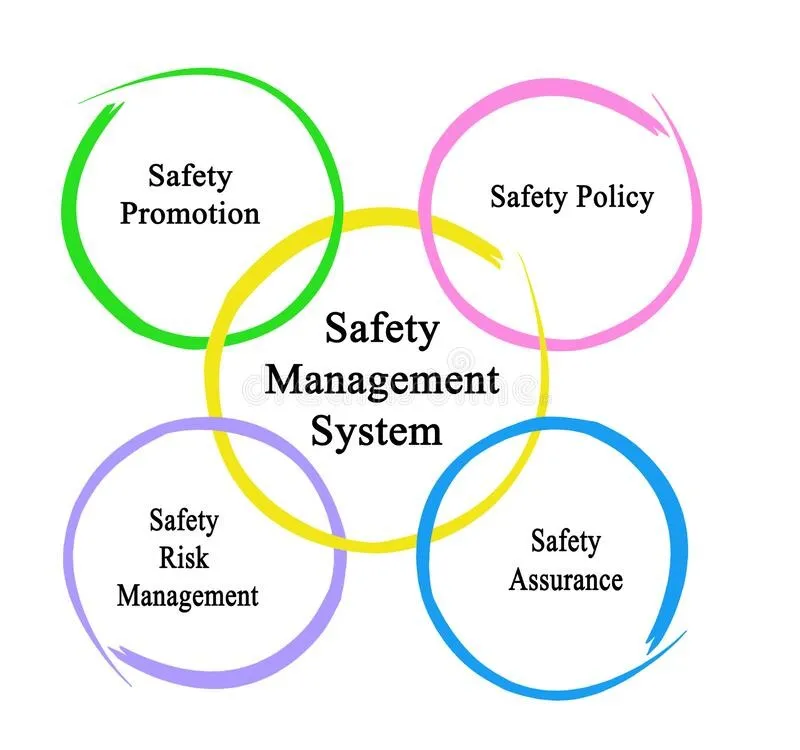
A Safety Management System (SMS) is not a compliance tick-box. It’s a living, working framework that keeps your business, your people, and your operations safe. It sits at the heart of your day-to-day decisions.
This short guide sets out what an effective SMS actually looks like in practice.
Your SMS should comprise documents that matter to your business. Most organisations need:
Safety policy: Who is responsible for what. What you expect from workers. How you’ll support them. What happens if things go wrong. One to three pages. Plain language.**
Hazard register:** What’s the hazard? Who might be harmed? How likely? How serious? What controls do you have? What else could you do? Update it when work changes.**
Procedures:** Step-by-step instructions for tasks where something could go wrong (confined spaces, driving, heights, chemical use, plant operation). Who does it. What equipment they need. What not to do.**
Induction:** New worker checklist. What they need to know on day one. Who signs off that they understand. Keep records.**
Incident reports:** What happened. When. Where. Who was involved. What was damaged. What caused it. What will you do differently. Don’t blame. Focus on learning.**
Communication:** How often do you talk about safety? Toolbox talks? Team meetings? One-to-ones? Record the topics and dates.
A dead document is useless. Your SMS breathes when:
An SMS no one reads is decorative. Your workers are aware when:
Good practice is not perfect. It’s honest, deliberate, and it grows as your business learns.
A practical guide to understanding your obligations under HSWA 2015 and taking proactive steps to protect the health, safety and welfare of workers and others.

Engaging workers is not just good practice, it is a legal requirement under HSWA 2015. Here is how the Act frames worker engagement and participation.

Under HSWA 2015, everyone involved in work has a part to play in protecting health and safety. A plain-language rundown of the key duties set out in the Act.
Talk to us about training or consultancy tailored to your workplace.