
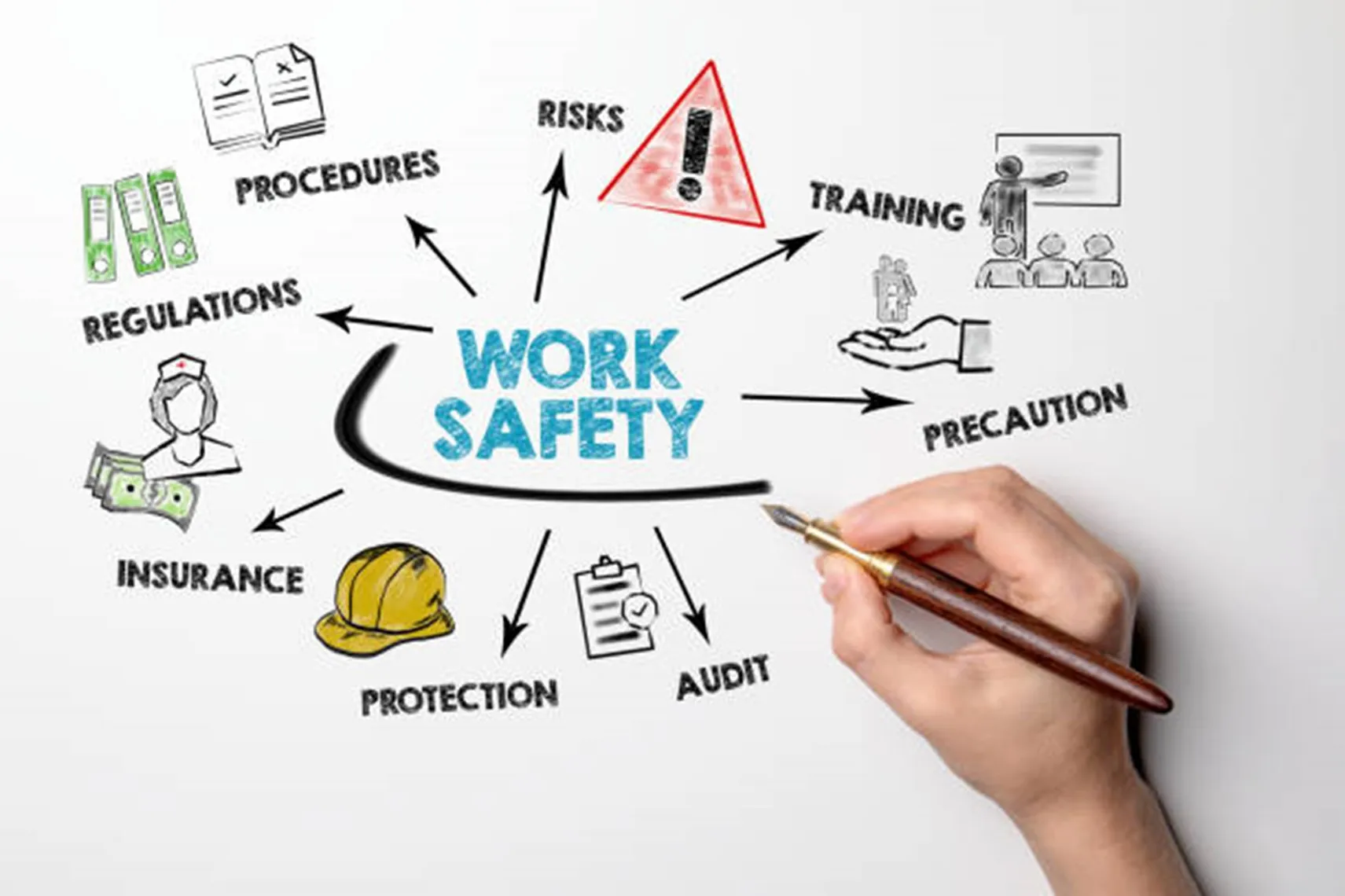
Complying with HSWA 2015
A practical guide to understanding your obligations under HSWA 2015 and taking proactive steps to protect the health, safety and welfare of workers and others.
How the HSNO Act 1996 and the Hazardous Substances Regulations 2017 work together to keep people and the environment safe in New Zealand workplaces.

Did you know?
In New Zealand, safe management of hazardous substances rests on two main pillars:
They apply across almost every kind of business – from workshops, farms, labs, airports and freight depots to healthcare, construction, and even offices with a few cleaning chemicals – and they are designed to protect both people and the environment.
The HSNO Act sets the overall legal framework for managing risks from hazardous substances and new organisms in New Zealand. Its purpose is to prevent or manage adverse effects on people and the environment over the full life cycle of a substance, from import and manufacture through to use, storage, transport, and disposal.
Under HSNO, substances are assessed and approved nationally, with controls set to manage their risks (for example, limits on quantities, storage conditions, or types of use). The Act also establishes the Environmental Protection Authority (EPA) as the decision‑maker for approvals and classifications, and provides powers to set detailed rules in regulations and EPA notices.
In simple terms: HSNO answers the questions “Is this substance allowed in New Zealand?” and “What high‑level controls are needed to keep people and the environment safe?”
The Health and Safety at Work (Hazardous Substances) Regulations 2017 sit under the Health and Safety at Work Act 2015 (HSWA), not under HSNO, and focus specifically on how hazardous substances are managed in workplaces. They translate the substance classifications and approvals (set under HSNO) into clear, practical duties for PCBUs and workers.
These regulations cover the nuts and bolts of day‑to‑day management, such as:
In simple terms: the Hazardous Substances Regulations answer the question “Given the properties of this substance, what exactly must this business do to use, store, and handle it safely at work?”
The two frameworks are distinct but tightly linked, and both apply regardless of industry, business size, or activity type.
The EPA manages approvals and classifications at a national level, while WorkSafe NZ focuses on how those controls are implemented in workplaces, using HSWA and the Hazardous Substances Regulations as its main tools. For any business, this means that once a substance is approved and classified under HSNO, there is a clear line of sight to what must be done on the ground to manage it safely.
Under the Hazardous Substances Regulations, every PCBU must keep an up‑to‑date inventory of all hazardous substances used, handled, or stored at the workplace. This requirement applies equally to a small workshop with a few flammable liquids as to a complex industrial or aviation site.
A good inventory will usually record for each substance:
For each hazardous substance on the inventory, the workplace must hold an up‑to‑date SDS that is readily accessible to workers and emergency responders. The SDS gives critical information about hazards, safe handling and storage, required PPE, first aid, spill response, and disposal and transport requirements.
In practice, the classification (HSNO) sets the risk profile, the SDS explains what that risk looks like and how to control it, and the inventory shows where that risk physically sits in your workplace and in what quantities.
Whatever the sector, aviation, manufacturing, agriculture, healthcare, transport, construction, retail, or an office environment, the combined effect of HSNO and the Hazardous Substances Regulations is that:
For business owners and managers, the practical takeaway is: know exactly what substances you have, know their HSNO classifications and approvals, maintain a current inventory and SDS set, and then make sure your workplace systems meet the detailed requirements in the Hazardous Substances Regulations. Doing this significantly reduces the risk of harm to workers, visitors, the public, and the environment, and clearly demonstrates that the business is meeting its legal duties.
A practical guide to understanding your obligations under HSWA 2015 and taking proactive steps to protect the health, safety and welfare of workers and others.

Engaging workers is not just good practice, it is a legal requirement under HSWA 2015. Here is how the Act frames worker engagement and participation.

Under HSWA 2015, everyone involved in work has a part to play in protecting health and safety. A plain-language rundown of the key duties set out in the Act.
Talk to us about training or consultancy tailored to your workplace.